GCRD

Blogs

The Complete Guide to the Best Universities in UK for 2025

The Complete Guide to the Best Universities in UK for 2025

Picture this: you’re scrolling through university websites at 2 AM, coffee gone cold, trying to figure out which UK institution deserves your next three (or four) years. Sound familiar? Here’s the thing—choosing from the best universities in the UK isn’t just about prestige anymore. Sure, Oxford still wears its ancient crown with pride, but the landscape has shifted dramatically. Some universities have rocketed up rankings while others… well, they’ve had better years. What makes this particularly fascinating in 2025 is how international fees have skyrocketed—we’re talking anywhere from £11,400 to nearly £68,000 annually for overseas students. That’s mortgage-level money for many families. Yet applications keep pouring in. Why? Because the best universities in the UK continue delivering something money can’t buy elsewhere: a peculiar blend of academic rigour, cultural immersion, and networking opportunities that last lifetimes. I’ve spent countless hours dissecting league tables, chatting with admissions tutors, and—let’s be honest—getting slightly obsessed with understanding what actually makes a university “best” in 2025. Spoiler alert: it’s not what you think.

Why Rankings Matter Less (and More) Than Ever

Oxford maintains its stranglehold on the top spot for the ninth consecutive year, but here’s where things get interesting. LSE has catapulted to the number one position in some rankings, pushing Cambridge down to fourth place. What’s happening here? Different ranking systems value different things. The Times Higher Education focuses heavily on research impact and international outlook. The Complete University Guide weighs student satisfaction and graduate prospects more heavily. QS Rankings obsess over academic reputation surveys. This creates a wonderful mess where your “best” university depends entirely on what you’re optimising for. Want cutting-edge research? Oxford’s your bet. Prefer smaller class sizes and pastoral care? St Andrews might be calling. Looking for industry connections in finance? LSE suddenly looks very attractive.

The Elite Eight: Universities That Actually Matter

Let me be brutally honest about something most guides won’t tell you: there’s a massive gulf between the top tier and everyone else. The consistent top performers are Oxford, Cambridge, LSE, St Andrews, and Imperial, with Durham (see also Gcrd Hub’s Durham University page), Bath, and UCL frequently in the top-10. But rankings can be misleading. Here’s what each institution actually excels at:

Oxford University

Still the gold standard, particularly for humanities and social sciences. Their tutorial system remains unmatched, though the workload is frankly intimidating. Think three essays per week, every week, for three years.

Cambridge University

Science powerhouse with a college system that creates lifelong networks. Their Natural Sciences Tripos is legendary among academics, brutal among students.

London School of Economics (LSE)

The surprise champion of 2025. Their economics, politics, and international relations programmes are world-class. Plus, you’re in London—which matters more than people admit.

Imperial College London

Engineering and medicine at their absolute finest. If you want to design the future or save lives, this is your place. Just don’t expect much hand-holding.

University of St Andrews

Scotland’s hidden gem with an undergraduate experience that feels more American liberal arts than British. Beautiful coastal town, excellent teaching, and surprisingly good graduate outcomes.

The Financial Reality Check

University TypeUK Students (Annual)International (Annual)Living Costs (Annual)Elite Universities£9,535£24,910 – £67,892£12,000 – £18,000Russell Group£9,535£18,000 – £35,000£10,000 – £15,000Other Universities£9,535£11,400 – £25,000£8,000 – £12,000 Maximum tuition fees increased by 3.1% for the 2025-26 academic year, which sounds modest until you realise this affects every single year of your degree. This represents the first increase in eight years, breaking a fee freeze that had left many universities struggling financially. Nearly three quarters (72 per cent) of providers could be in deficit by 2025-26, which explains the government’s decision to end the freeze. For international students, the numbers are frankly eye-watering. Undergraduate degrees for international students cost between £11,400 and £67,892 per year, with no fee cap applying to overseas students. (For official information on student finance, see GOV.UK Student Finance and Gcrd Hub’s Student Finance page). Diverse group of international students collaborating around a table covered with UK university brochures and calculators, researching the best universities in the UK for 2025 applications

Beyond the Obvious: Universities That Punch Above Their Weight

While everyone fixates on Oxbridge, some institutions are quietly building extraordinary reputations:

University of Bath

Their engineering and management programmes rival Imperial’s, but with better student satisfaction scores. Plus, Bath is genuinely lovely to live in.

University of Warwick

Economics and business school that’s produced more CEOs than you’d expect. Their career services are phenomenal. (Gcrd Hub offers various Business Management courses).

King’s College London

Medicine, law, and humanities in the heart of London. The location advantages are impossible to ignore.

University of Edinburgh

Scotland’s research giant with international recognition that often surprises people. Their AI and data science programmes are world-class.

Subject-Specific Powerhouses

This is where things get really interesting. The best universities in the UK aren’t always the same across disciplines:

Medicine

Oxford, Cambridge, Imperial, Edinburgh, King’s College London. (Explore health-related courses on Gcrd Hub)

Engineering

Cambridge, Imperial, Bath, Southampton (see also Gcrd Hub’s Southampton University page), Sheffield (see also Gcrd Hub’s Sheffield University page). (Explore Engineering courses on Gcrd Hub)

Law

Oxford, Cambridge, LSE, UCL, King’s College London. (Explore Law courses on Gcrd Hub)

Business

LSE, Imperial, Warwick, Bath, Lancaster. (Explore Business courses on Gcrd Hub)

Computer Science

Engineering students collaborating on complex electronic circuits in a modern UK university laboratory, demonstrating hands-on learning at top engineering programs Cambridge, Imperial, Edinburgh, UCL, Southampton. (Explore Computing courses on Gcrd Hub) What’s fascinating is how some universities dominate specific fields while being mediocre elsewhere. Take Southampton—barely registers in overall rankings but produces some of the world’s best engineers.  

The International Student Perspective

Let’s address the elephant in the room: UK universities are generally more affordable than US universities, with tuition ranging from £10,000 to £38,000 versus $35,000 to $60,000 in America. But “affordable” is relative when you’re looking at total costs approaching £50,000+ annually for the top institutions. Here’s what international students often don’t realise:
  • Shorter degrees: Most UK undergraduate programmes are three years, not four
  • Specialisation from day one: No “gen ed” requirements—you study your chosen subject immediately
  • Research opportunities: Many programmes include dissertation projects that look impressive on graduate school applications The value proposition becomes clearer when you consider time savings. Three years versus four means you’re earning a year earlier, which often compensates for higher annual fees.

Regional Considerations That Actually Matter

London Universities (Imperial, UCL, King’s, LSE)

  • Unmatched internship and networking opportunities
  • Living costs that’ll make your parents weep (£15,000+ annually)
  • Cultural experiences you can’t get anywhere else
  • Graduate job market access that’s genuinely superior

Cambridge/Oxford

  • Collegiate system creating instant communities
  • Historical prestige that opens doors globally
  • Intense academic environment that’s not for everyone
  • Surprisingly expensive despite small-town locations

Scottish Universities (Edinburgh, St Andrews, Glasgow)

  • Often overlooked by international students
  • Excellent value for money
  • Four-year degrees (though you can graduate in three)
  • More relaxed social atmosphere

Application Strategy: What Admissions Tutors Actually Want

Having worked with students applying to the best universities in the UK, I’ve noticed patterns in successful applications:
  • Academic excellence is table stakes—everyone has stellar grades
  • Subject passion demonstrated through concrete actions matters more than generic enthusiasm
  • Research experience or significant projects separate strong candidates from exceptional ones
  • Personal statements that show intellectual curiosity rather than listing achievements The most successful applicants I’ve seen don’t just want to attend prestigious universities—they want to study specific subjects at specific institutions for specific reasons. This is where professional guidance becomes invaluable. At Gcrd Hub, we’ve helped hundreds of students navigate these complexities, from course selection to interview preparation. The application process has become increasingly competitive, and small details often make enormous differences.

Graduate Outcomes: What Happens After

UniversityEmployment RateStarting SalaryPostgrad Study %Oxford94%£28,00045%Cambridge93%£29,50042%Imperial91%£32,00038%LSE89%£31,00035% The graduate outcomes tell an interesting story. Imperial graduates earn the most initially (thanks to engineering and finance careers), while Oxford and Cambridge graduates are more likely to pursue postgraduate study. LSE graduates land in financial services at impressive rates. But here’s what these numbers don’t capture: the intangible benefits of alumni networks, brand recognition, and the confidence that comes from surviving rigorous academic programmes.

Making Your Decision: A Framework That Works

After years of helping students choose between the best universities in the UK, I’ve developed a simple framework:

Academic Fit (40%)

  • Does the course content excite you?
  • Are the teaching methods suitable for your learning style?
  • Will you be challenged appropriately?

Financial Reality (25%)

Personal Environment (20%)

  • Will you thrive in this location and culture?
  • Does the university size feel right?
  • Are there communities you’ll want to join?

Career Outcomes (15%)

  • Does this university have strong networks in your target industry?
  • What do recent graduates in your field say about their experience?
  • Are there internship and placement opportunities? This isn’t about finding the “best” university—it’s about finding the best university for you.

The Application Timeline: Getting It Right

  • 18 months before starting: Research programmes, visit universities if possible, begin test preparation
  • 12 months before: Draft personal statements, secure references, complete standardised tests
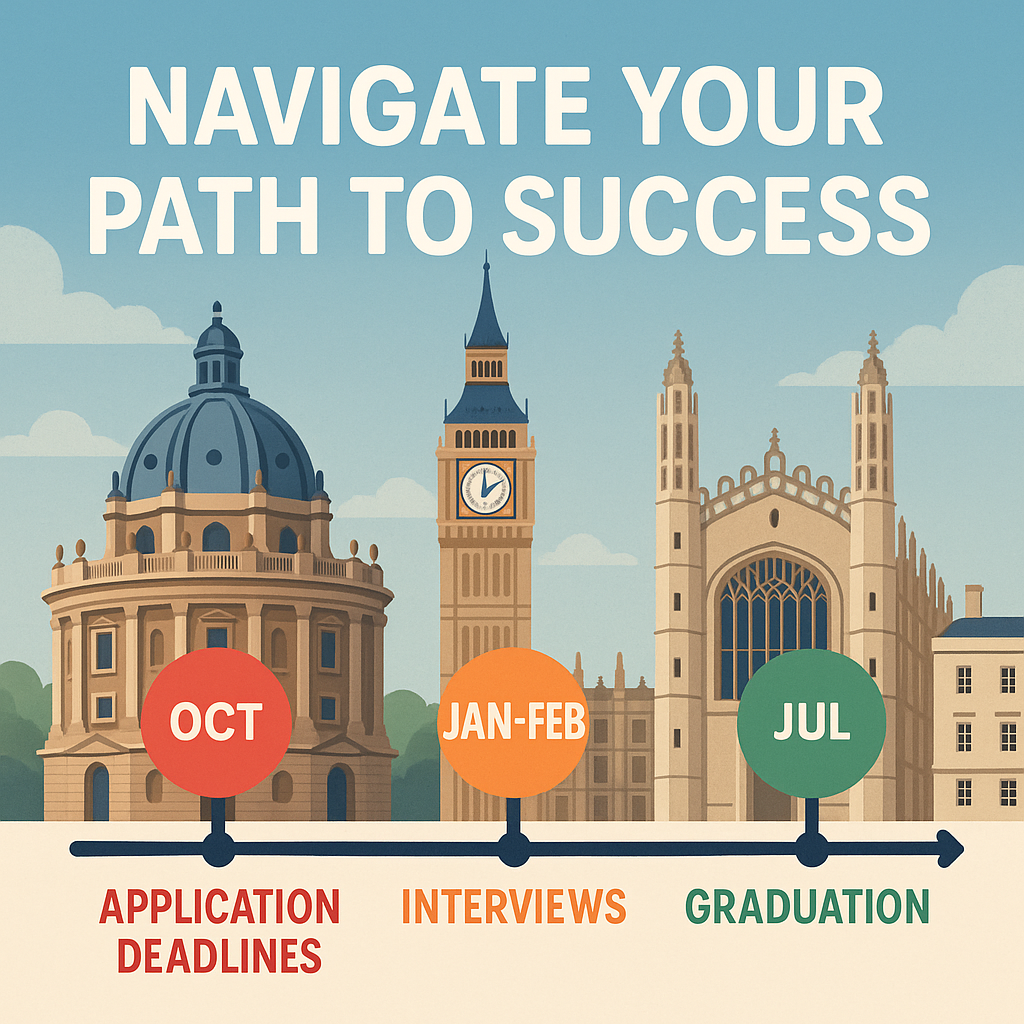
  • October (year before starting): Submit UCAS applications for most courses (earlier for Oxford/Cambridge)
  • November-March: Attend interviews, receive offers, apply for accommodation
  • May-August: Confirm choices, arrange visas (more info for International Students), prepare for departure The timeline might seem generous, but successful applicants to the best universities in the UK start early. Competition is fierce, and rushed applications rarely succeed.


What Nobody Tells You About UK University Life

The adjustment period is real, particularly for international students. British university culture (explore more about Study in the UK) emphasises independence from day one. There’s less hand-holding than American institutions, but more intellectual freedom than most Asian systems. The social aspect revolves around societies and sports clubs rather than fraternities or residence halls. Joining multiple societies early is crucial—this is where you’ll find your community and develop interests beyond your degree. Academic intensity varies dramatically between institutions and subjects. Oxford tutorials can be genuinely intimidating. Imperial problem sets might consume entire weekends. But the flip side is intellectual stimulation that’s genuinely addictive once you adjust.

Financial Planning Beyond Tuition

Living costs in the UK are higher than many international students expect. London is particularly brutal—budget £1,200-1,500 monthly for accommodation, food, and basic expenses. Other cities are more reasonable at £800-1,200 monthly, but still significant. (Check Gcrd Hub’s Student Finance for more info). The good news? Students can work part-time during studies and full-time during holidays, which helps offset costs. Many students find freelance work or tutoring opportunities that pay better than typical student jobs. Scholarships exist but competition is intense. Start your search early and apply broadly—even partial scholarships significantly impact your total costs.

Looking Forward: The UK Higher Education Landscape

Nearly three quarters (72 per cent) of UK higher education providers could be in deficit by 2025-26, which sounds alarming but actually creates opportunities. Universities are becoming more aggressive about attracting international students, leading to better support services and more generous scholarships. The £9,250 fees charged in 2023 were worth only £6,500 in 2012 terms, which explains why the government finally ended the eight-year fee freeze. Brexit has complicated EU student access, but opened opportunities for students from other regions. The new Graduate visa route allows international students to stay and work for two years after graduation, making UK degrees more attractive than ever. The best universities in the UK are adapting rapidly to global competition, investing heavily in facilities, faculty, and student experience. This is actually an excellent time to be applying—you’ll benefit from these improvements while competition hasn’t yet fully adjusted to the new landscape.

Your Next Steps

Choosing among the best universities in the UK isn’t just an academic decision—it’s a lifestyle choice that’ll shape your next decade. The process can feel overwhelming, but remember: there’s no single “right” choice, only choices that align better or worse with your goals and circumstances. If you’re feeling lost in the complexity of applications, course selection, or financial planning, consider getting professional guidance. At Gcrd Hub, we’ve helped students navigate everything from UCAS applications to visa processes to scholarship applications. Sometimes an experienced perspective makes all the difference between a stressful process and an exciting journey. Our team at Gcrd Hub (107 Fleet Street in London) has worked with students from dozens of countries, and we understand both the academic requirements and practical challenges you’re facing. Whether you need help with university selection, application strategy, or interview preparation, we’re here to help make your UK education dreams reality. Contact Us for more information or Register Your Interest today. The best universities in the UK await—but they’re selective about who they admit. Make sure you’re presenting your strongest possible application. You can also check out our Blogs for more tips and insights.
Elevate Your Career: A Comprehensive Guide to Professional Growth and Success​

Elevate Your Career: A Comprehensive Guide to Professional Growth and Success​

Your career is a journey filled with twists, turns, obstacles and opportunities. While the path isn’t always linear, one thing is certain – those who are proactive and intentional about managing their professional development have the greatest chances of achieving remarkable growth and success.

Whether you’re just entering the workforce or you’re an experienced veteran, it’s never too late to take the driver’s seat and steer your career in an exciting new direction. From acquiring in-demand skills to forging powerful connections, there are myriad strategies to get noticed and get ahead.

Let’s explore some of the essential elements for engineering a rewarding, upwardly mobile career trajectory:

Continuous Learning In our era of rapid disruption and non-stop evolution, the most successful professionals are perpetual students. An eager mindset of constant learning and curiosity is what allows you to adapt to changing landscapes and stay ahead of the curve.

Make a habit of regularly expanding your knowledge base through avenues like courses, books, podcasts, conferences, and online content. Pursue certifications, additional degrees, or training programs to elevate your expertise in your current role or an adjacent field you’re interested in pivoting towards.

Remember, learning should be an ongoing investment you make in yourself, not something you do once and check off the list. Consistently upgrading your skills is the key to remaining relevant and marketable as industries, technologies, and best practices continuously shift.

Establish Thought Leadership

While acquiring new knowledge is important, it’s equally critical to package and amplify your deep expertise in a way that builds your credibility and influence as a thought leader in your niche or domain.

Some ideas:

Write articles or books, give presentations at conferences and events, join industry associations, launch a blog or YouTube channel, and earn prestigious credentials related to your speciality. The possibilities are limitless for positioning yourself as the go-to guru that others turn to for insights and guidance.

The higher your perceived authority and value, the more opportunities will unfurl for career advancement, new business deals, or even building a successful consultancy down the road.

Mentorship: A Two-Way Street

Finding the right mentor can be a powerful catalyst for growth, as mentors provide wisdom, coaching, advocacy, and connections to accelerate your learning curve exponentially. An engaged mentor can offer honest feedback, advice for navigating obstacles, and guidance for proactively mapping out your career in a strategic way.

At the same time, don’t overlook the immense value of being a mentor yourself. Serving as a mentor helps you cultivate crucial leadership abilities, knowledge mastery, communication skills, and a supportive mindset – all critical competencies for achieving promotions and thriving in more advanced roles.

Cross-Functional Training

Most progressive companies today emphasize cross-training and mobility across different departments, functions, or disciplines. Taking on temporary “tour of duty” assignments or stretch roles is an amazing way to acquire diverse capabilities that make you a stronger, more well-rounded candidate for higher-level opportunities.

For instance, a marketing professional might pursue cross-training in sales, operations, or finance/accounting to gain greater commercial savvy and business acumen. An engineer could join a special project to develop stakeholder management and communication skills.

Each new experience adds another invaluable tool to your professional toolbox. Ultimately, those with the most “utility player” potential and the ability to draw upon a multidisciplinary skill set have a competitive edge for catapulting their careers.

Feedback:

The Breakfast of Champions Rather than waiting for annual performance reviews, make it a habit to regularly solicit constructive feedback from managers, colleagues, direct reports and mentors. Set up informal check-ins to gather honest opinions about what you’re doing well and where you could improve.

Feedback is a gift that provides an objective third-party perspective, surfacing potential blindspots and areas of opportunity you may have missed. It allows you to recalibrate frequently, amplify your strengths, and correct your deficiencies.

Those who are open to feedback, treat it as free coaching for betterment rather than criticism, and consistently iterate and evolve based on the insights tend to skyrocket their professional growth.

Networking:

A Perpetual Pursuit Your network is quite possibly your most powerful career-accelerating tool, yet it’s the one many folks neglect. Building, maintaining, and activating a robust professional network should be an ongoing endeavour, not just something you do when you’re job searching.

Make networking a regular habit by attending meetups, industry events, or joining professional associations or online communities. Every new connection is like planting a seed – while you may not reap any benefits immediately, you never know when that seed will blossom into an exciting new prospect, client opportunity, business partnership, or career door down the road.

Adopt a “giver’s mindset” by finding ways to share your knowledge, ideas, and connections with your network first before expecting anything in return. Over time, you’ll develop a strong reputation and loyal relationships that can propel you forward.

Optimizing Your Brand These days, your brand is the modern-day equivalent of your resume. It’s how you shape and broadcast your skills, experience, accomplishments, and value proposition to the world. A cohesive, well-crafted personal brand is what gets you noticed, remembered, and desirable for new roles and opportunities.

Evaluate how you currently show up across all of your real-world and digital brand touchpoints: your social media accounts, website/portfolio, writing and speaking engagements, office presence and conduct, attire, etc. Then, thoughtfully optimize each of these channels to cultivate the professional image you want to convey in alignment with your career vision.

Growing and promoting your brand shouldn’t be an afterthought – it requires strategy, commitment and a bit of self-promotion. However, doing so will amplify your visibility and perceived value immensely.

Bonus Tip: Embrace Failures and Detours

Even if you do everything right, your career path won’t be linear. There will inevitably be setbacks, course corrections, layoffs, crazy curveballs, and moments of self-doubt along the way. That’s OK! Failures and detours are inevitable parts of every journey.

What matters most is adopting a resilient and growth-oriented mindset. Have the courage to course-correct quickly, embrace new paradigm shifts, take calculated risks, and treat every obstacle as a chance to learn, get scrappier, and open up to a potentially better path forward.

The road won’t always be easy, but those who stay determined, adaptable, solution-oriented and gritty are the ones who will reap the most rewarding career achievements, whether following a traditional climb up the corporate ladder or an unconventional entrepreneurial journey.

No matter where you currently stand in your professional journey, if you proactively employ a multifaceted combination of lifelong learning, strategic networking, mentorship, personal branding, seeking feedback, and an unshakeable growth mindset, you’ll be outfitting yourself with the tools for remarkable career advancement and success. The possibilities for your potential will be endless!


    Please prove you are human by selecting the truck.

    Upskilling: The Key to Staying Competitive in Today’s Job Market in the United Kingdom

    Upskilling: The Key to Staying Competitive in Today’s Job Market

    The workforce landscape is evolving at a breakneck pace, driven by rapid technological advancements, shifting industry trends, and ever-changing market demands. In this dynamic environment, the concept of upskilling has emerged as a crucial strategy for professionals to remain competitive and future-proof their careers.
    Upskilling refers to the process of acquiring new skills, knowledge, and competencies that enhance an individual’s value proposition in the job market. It involves continuously learning and adapting to the evolving requirements of one’s current role or preparing for a transition into a new field or position.
    In this blog post, we’ll explore the importance of upskilling, its benefits, and strategies for effectively upskilling in today’s rapidly changing job market.

    Why Upskilling Matters
    1. Future-Proofing Your Career:

    Many jobs that exist today may become obsolete or significantly transformed in the coming years due to automation, digitalization, and other disruptive forces. Upskilling equips professionals with the necessary adaptability to navigate these changes and remain relevant in the ever-evolving job market.

    2. Increased Employability:

    Employers actively seek candidates with diverse skill sets and the ability to adapt to new challenges. By upskilling, individuals enhance their employability, making them more attractive candidates for new opportunities within their current organization or in other companies.

    3. Personal and Professional Growth:

    Upskilling fosters continuous learning and personal development, which can lead to increased job satisfaction, confidence, and a sense of accomplishment. It also opens doors to new career paths, promotions, and higher earning potential.

    4. Competitive Advantage:

    In a crowded job market, upskilling can give individuals a competitive edge over others with similar qualifications or experience. It demonstrates a commitment to self-improvement and a proactive approach to career development.

    Strategies for Effective Upskilling
    1. Identify In-Demand Skills:

    Research industry trends, emerging technologies, and the skills that are in high demand within your field or desired career path. This information can guide your upskilling efforts and ensure you invest your time and resources wisely.

    2. Leverage Online Learning:

    The internet offers a wealth of online courses, tutorials, webinars, and educational resources that make upskilling accessible and convenient. Platforms like Coursera, Udemy, and edX provide a vast array of courses covering various topics and skills.

    3. Attend Workshops and Seminars:

    Look for in-person workshops, seminars, or industry events that offer hands-on training and networking opportunities. These events can provide valuable insights, practical experience, and connections with professionals in your field.

    4. Seek Mentorship and Coaching:

    Identify experienced professionals or subject matter experts who can serve as mentors or coaches. Their guidance, feedback, and real-world insights can accelerate your upskilling journey and help you navigate potential challenges.

    5. Embrace On-the-Job Learning:

    Actively seek opportunities to learn and apply new skills within your current role. Volunteer for projects that stretch your abilities, collaborate with colleagues from different departments or pursue job shadowing experiences to gain exposure to new areas.

    6. Stay Curious and Adaptable:

    Cultivate a mindset of continuous learning and embrace change. Be open to exploring new technologies, methodologies, and approaches that can enhance your skills and broaden your professional horizons.
    In today’s rapidly changing job market, upskilling is not just a luxury but a necessity. By actively investing in personal and professional development, individuals can future-proof their careers, unlock new opportunities, and remain competitive in an ever-evolving workforce landscape. Embrace the power of upskilling and embark on a journey of continuous learning and growth.


      Please prove you are human by selecting the star.

      Blended Learning for Mature Students in the UK: Advantages and Disadvantages

      Blended Learning for Mature Students in the UK : Advange and Disadvantage

      In the ever-evolving landscape of education, blended learning is gaining prominence, especially for mature students looking to return to academia. This hybrid approach, which combines traditional face-to-face instruction with online learning, is especially relevant in the United Kingdom, where more adults choose to upskill or change careers.

      But is blended learning the right choice for mature students? Let’s explore its advantages and disadvantages, helping you decide whether this learning method suits your lifestyle and goals.

      What is Blended Learning?

      Blended learning merges in-person education with digital platforms, allowing students to benefit from physical interaction and flexible online content. It is increasingly popular in UK universities, professional courses, and continuing education programs. This model accommodates different learning styles, providing a tailored education experience.


      Advantages of Blended Learning for Mature Students

      1. Flexibility

      One of the most appealing aspects of blended learning is the flexibility it offers. Mature students often juggle family, work, and other commitments. With online modules, you can study at your own pace, during times that suit you best, without sacrificing the benefits of face-to-face learning.

      2. Reduced Travel Time

      Mature students, especially those living outside major cities, benefit from the reduced need to travel to campus every day. This saves time, money, and energy. You can access lectures, assignments, and group discussions from the comfort of your home.

      3. Access to a Wealth of Resources

      Online platforms provide access to extensive digital libraries, recorded lectures, and other educational materials. As a mature student, you can leverage these resources for deeper research, without being constrained by library hours.

      4. Personalized Learning

      Blended learning supports various learning styles. You can revisit recorded lectures, pause and replay tutorials, or dive into additional resources at your own pace. This can be particularly beneficial if you’re returning to education after a long break and need adjusting time.

      5. Improved Digital Skills

      The world is becoming increasingly digital, and education is no exception. For mature students, blended learning offers the opportunity to enhance digital literacy, a skill that is crucial in the modern workforce. Learning to navigate online platforms, collaborate in virtual spaces, and manage digital projects will be invaluable in both your studies and career.

      6. Networking Opportunities

      Despite the distance, blended learning enables networking. Online forums, webinars, and discussion boards create a space for mature students to connect with peers and tutors from different regions and backgrounds. These connections can be a rich source of collaboration, support, and career opportunities.


      Disadvantages of Blended Learning for Mature Students

      1. Self-Discipline and Time Management

      Blended learning demands a high level of self-discipline. For mature students balancing work, family, and study, it can be easy to procrastinate when there is no set class schedule. Developing effective time management strategies is key to success in this learning model.

      2. Limited Social Interaction

      While online forums provide virtual interaction, they can never fully replace face-to-face interactions. Mature students may feel isolated when they miss out on the camaraderie and social benefits that come with attending traditional classes. This isolation can affect motivation and engagement in the long run.

      3. Digital Divide

      Not all mature students have access to the necessary technology or reliable internet connectivity. A lack of technical equipment or digital skills could hinder your learning experience, causing frustration and difficulty in keeping up with online modules.

      4. Adaptation to New Learning Methods

      For many mature students, the idea of online learning may feel unfamiliar and overwhelming. While younger students may be comfortable with digital platforms, mature learners might require additional support to adapt to these tools. If you’re not tech-savvy, the learning curve could be steeper than expected.

      5. Quality of Interaction

      Blended learning can sometimes lead to a disconnect between students and instructors. Online platforms may not always allow for the depth of interaction that in-person classes provide. For mature students who value mentorship and real-time feedback, this might be a drawback.


      Is Blended Learning Right for You?

      Blended learning offers a wealth of opportunities for mature students returning to education, but it’s not without its challenges. The flexibility, access to resources, and personalized approach are ideal for balancing life commitments, but it also requires a strong sense of self-motivation and adaptability.

      If you’re considering a return to education in the UK, ask yourself:

      • Do I have the discipline to manage my time effectively?
      • Am I comfortable with using digital platforms?
      • How important is face-to-face interaction for my learning style?
      • Can I adapt to a hybrid model that requires both online and offline engagement?

      By weighing the advantages and disadvantages, you can decide if blended learning is the best fit for your educational journey.


        Please prove you are human by selecting the truck.