

You studied history. Or biology, or business, or something with absolutely nothing to do with contract law — and now you want to be a solicitor. Fair enough. Half the profession got there the same way. However, the moment you start researching GDL courses UK, you land in a mess of acronyms — GDL, PGDL, SQE1, SQE2 — and it’s genuinely confusing which one still exists, which one you actually need, and which one your chosen university even offers anymore.
Here’s the short version, because you deserve it up front: GDL courses in the UK — short for the Graduate Diploma in Law — were, for decades, the route non-law graduates took to convert their degree into something a law firm would recognise. They’re now being phased out in favour of the Postgraduate Diploma in Law (PGDL) and the Solicitors Qualifying Examination (SQE), although transitional rules mean the GDL isn’t dead yet — just changing shape while everyone watches. If you’re weighing up GDL courses UK as an option, you’re arriving at an interesting moment in legal education history, whether you meant to or not.
I’ll be honest — advising students through this exact maze is part of what we do at GCRD HUB, and the number of people who show up thinking GDL and SQE are competing exams (they’re not; one is preparation, the other is the actual assessment) is higher than you’d expect. So, let’s untangle it properly.
GDL Courses UK Explained: So What Actually Is a GDL, In Plain English?
Strip away the jargon, and a GDL course is a one-year, full-time conversion course (or two years part-time, if you’re working alongside it) built to take someone with zero legal training and get them to roughly the same academic standing as a law graduate. Seven areas get covered, sometimes called the “seven foundations”: contract, tort, criminal law, EU/constitutional law, land law, equity and trusts, and public law. That’s dense material, compressed hard, and it moves fast.
Traditionally, once you’d finished, you would move onto the Legal Practice Course (LPC) and then a training contract. That was the pathway for non-law graduates chasing solicitor qualification for roughly forty years.
Then, in September 2021, everything shifted. The Solicitors Regulation Authority introduced the SQE — a standardised super-exam that, over a transitional period running until 2032, is gradually replacing both the GDL and the LPC. As a result, most law schools have quietly rebranded their GDL as a PGDL, which — content-wise — remains nearly identical. Same seven foundations, same intensity, different name, and it now feeds into SQE preparation rather than the old LPC.
A quick tip that surprises most people: technically, under the SQE system, you don’t need any law conversion course at all to sit the exams. The only academic requirement is holding a degree, in any subject. That said, most advisors — ourselves included — would still steer you toward a proper conversion course, since walking into SQE1 with zero legal grounding is a rough way to spend an exam fee. For the official word on requirements, Prospects’ guide to law conversion courses is worth a read before you commit.
GDL vs PGDL vs SQE — Because the Acronyms Genuinely Trip People Up
| Route | Still Running? | Leads To | Typical Length |
|---|---|---|---|
| GDL (traditional) | Only for those who started before Sept 2021; transitional route until 2032 | LPC → training contract | 1 year full-time |
| PGDL (rebranded GDL) | Yes — the current standard conversion course | SQE1 preparation | 1 year full-time / 2 part-time |
| SQE1 & SQE2 | Yes — mandatory for all new solicitors | Qualification as solicitor (after 2 years’ qualifying work experience) | Exams sat over roughly 12–18 months of prep |
Meanwhile, here’s a slightly messier version of that same information, because real life — and honestly, a fair number of university course pages — doesn’t line up as neatly as marketing tables suggest:
| Provider naming | Fees (approx.) | Notes |
|---|---|---|
| Some unis still call it “GDL” | £9,000–£11,500 | Content basically = PGDL, name lags behind |
| Others: “PGDL” or “MA Law (SQE1)” | £10,000 – £14,500ish, varies a LOT by institution and whether it’s bundled with SQE1 prep | MA Law route can unlock postgraduate loan funding — this matters more than people realise |
| A handful bundle it as “Law Conversion + SQE Prep” | can run £16,000+ |
(That second table is a bit rougher on purpose — course fees genuinely are reported inconsistently across providers, so treat any number you see as a starting point for questions, not gospel.)
Why Non-Law Graduates Still Choose GDL and PGDL Routes
Here’s a pattern I keep noticing: people assume converting into law is a last resort, something you do because your first degree “didn’t work out.” That’s rubbish, frankly. Some of the sharpest trainee solicitors I’ve come across studied physics, or languages, or fine art. Consequently, law firms genuinely like the variety — a candidate who can think like a scientist or argue like a linguist brings something a straight LLB graduate sometimes doesn’t.
If you’re weighing up whether GDL courses UK-wide are worth the money and the year of your life, consider:
- You get formal legal grounding recognised by employers, not just self-taught SQE cramming
- Structured teaching, deadlines, and feedback — genuinely useful if you learn better with pressure and a timetable
- A cohort of fellow career-changers, which turns out to be a decent support network later
- Many conversion courses now build SQE1 preparation directly into the syllabus, so you’re not paying twice
It isn’t automatically the cheapest path, either. Going straight for self-study plus an SQE preparation course can save money. Nevertheless, cheaper isn’t always better if it means turning up to a notoriously difficult exam under-prepared.
Entry Requirements for GDL and PGDL Courses — And Where International Students Get Caught Out
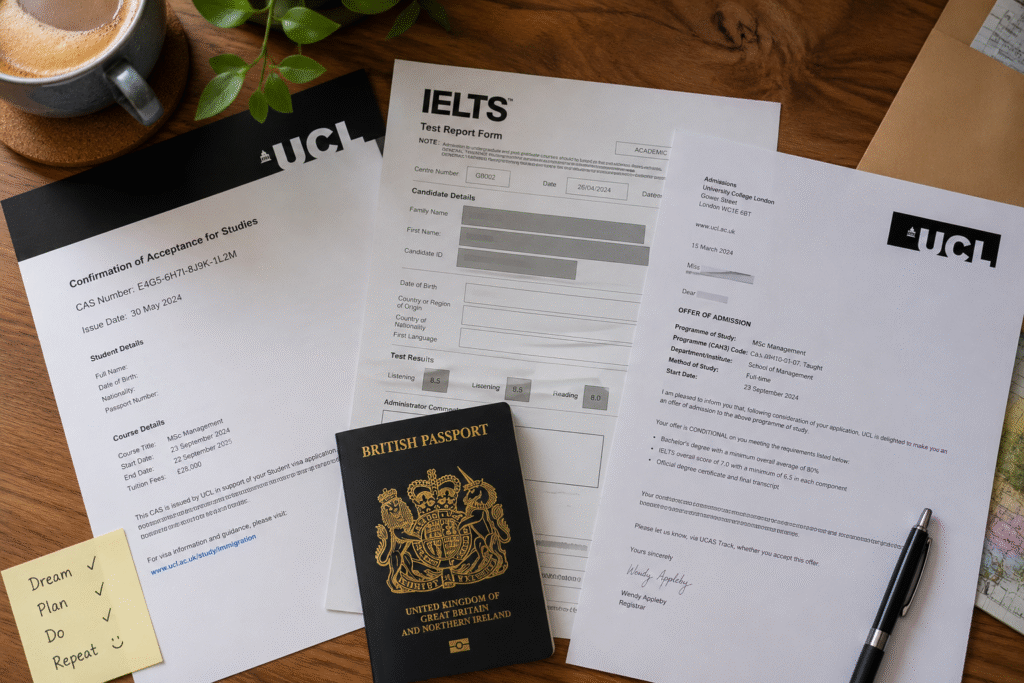
Most GDL and PGDL programmes ask for a 2:1 in any subject, sometimes a 2:2 with relevant experience. Additionally, English language requirements (usually IELTS 6.5–7.0, sometimes higher for law specifically) catch out a surprising number of applicants from outside the UK — not because their English is weak, but because they didn’t check the specific band requirement for the specific course before applying.
If you’re applying from overseas, visa timing matters more than most people expect. UK universities want documentation submitted early, and a UKVI credibility interview may form part of your visa process — something worth preparing for properly rather than winging it. For the official visa rules themselves, gov.uk’s student visa guidance is the primary source, so it’s worth cross-checking anything a course provider tells you against it.
Fair warning, not a scare tactic: conversion course places for popular universities in London fill up faster than you’d think, particularly for September intakes. If you’re eyeing a 2026 or 2027 start, applying “sometime next year” isn’t a plan.
Funding GDL Courses UK-Wide: The Bit Everyone Avoids Thinking About Until It’s Too Late
Postgraduate loans in England currently cover master’s-level study, which is partly why the MA Law (SQE1) route has become so popular — it’s essentially a conversion course wearing a master’s degree, unlocking funding a standard diploma-level GDL or PGDL wouldn’t. Scholarships exist too, though they’re competitive and often subject-specific. You can check current loan thresholds directly via gov.uk’s postgraduate loan page.

Before you commit any money, it’s worth reading our breakdown of scholarship and funding options for international students, plus the wider student finance guide if you’re UK-domiciled.
How GDL Courses UK Compare to a Standard Law Degree
Genuinely, once you’ve completed a conversion course, employers largely treat you the same as an LLB graduate. Some firms even prefer non-law hires precisely because of that outside-the-box degree. Still, if you’re torn between converting later versus starting an LLB (Hons) Law degree from scratch, it’s worth comparing timelines and total cost side by side — a full guide sits in our piece on law degrees in the UK, their types and career routes.
For those already eyeing specialisation post-qualification, options such as an LLM in International Commercial Law or an LLM in Employment Law and HR Management sit further down the road, but they’re worth knowing about now, if only to plan your funding across the whole journey rather than course by course.
Choosing Where to Study — It’s Not Just League Tables
Course content across GDL and PGDL programmes is fairly standardised, since the SRA sets the core requirements. Therefore, differentiation tends to come down to teaching style, class sizes, location, and — honestly — how much hand-holding you personally want. Some students thrive in large lecture-hall environments; others need something closer and more accountable. In other words, there’s no universal “best” university here, whatever league tables imply.
Browsing university options is easier with a full list of UK universities rather than piecing it together from scattered course pages. Furthermore, if the whole application process — personal statements, references, visa paperwork, interview prep — feels like a second job on top of your actual job, that’s exactly the gap education guidance and end-to-end admissions support is built for. It’s not glamorous work, but it does save people weeks of confusion.
Frequently Asked Questions About GDL Courses UK
Is the GDL still available in 2026? Yes, but only narrowly. Some providers still run it under that name, and students who started a qualifying route before September 2021 can use transitional arrangements until 2032. Otherwise, new entrants are generally steered toward the PGDL or MA Law (SQE1), since content-wise they’re near-identical.
Do I need a GDL or PGDL to sit the SQE? Not technically — the SRA only requires a degree in any subject to sit SQE1 and SQE2. Even so, most advisors still recommend a conversion course, since walking into the exams with no legal foundation is a hard way to learn contract law.
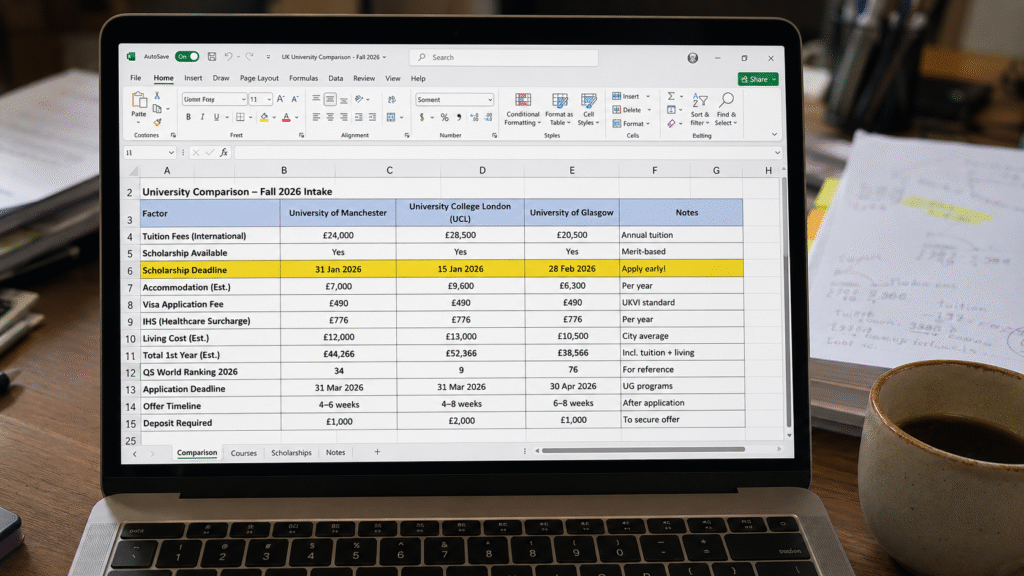
How much do GDL courses in the UK cost? Figures generally sit between roughly £9,000 and £14,500, though bundled SQE-prep packages can run higher. Because costs vary significantly by provider, always confirm exactly what’s included before enrolling.
Can international students take GDL courses in the UK? Yes. You’ll need to meet English language requirements (commonly IELTS 6.5–7.0) and a UK student visa, which usually involves a credibility interview.
Is a GDL the same as a PGDL? Academically, almost identical — both cover the seven foundations of legal knowledge. The name changed after 2021 largely because of how the qualification now feeds into SQE preparation rather than the old LPC.
If any of this still feels like a fog of acronyms, that’s normal — it confuses people who’ve worked in UK admissions for years, let alone someone applying from another country for the first time. GCRD HUB works through exactly this kind of decision with students daily: comparing GDL and PGDL providers, checking scholarship eligibility, prepping for visa interviews, and generally making sure nobody signs up for the wrong course by accident. If you’d rather talk it through than keep scrolling course pages at midnight, our team’s at 107 Fleet St, London EC4A 2AB, or reachable on +44 (0)20 3983 9001–9003.