
Cardiff University UK: A Complete Guide for International Students
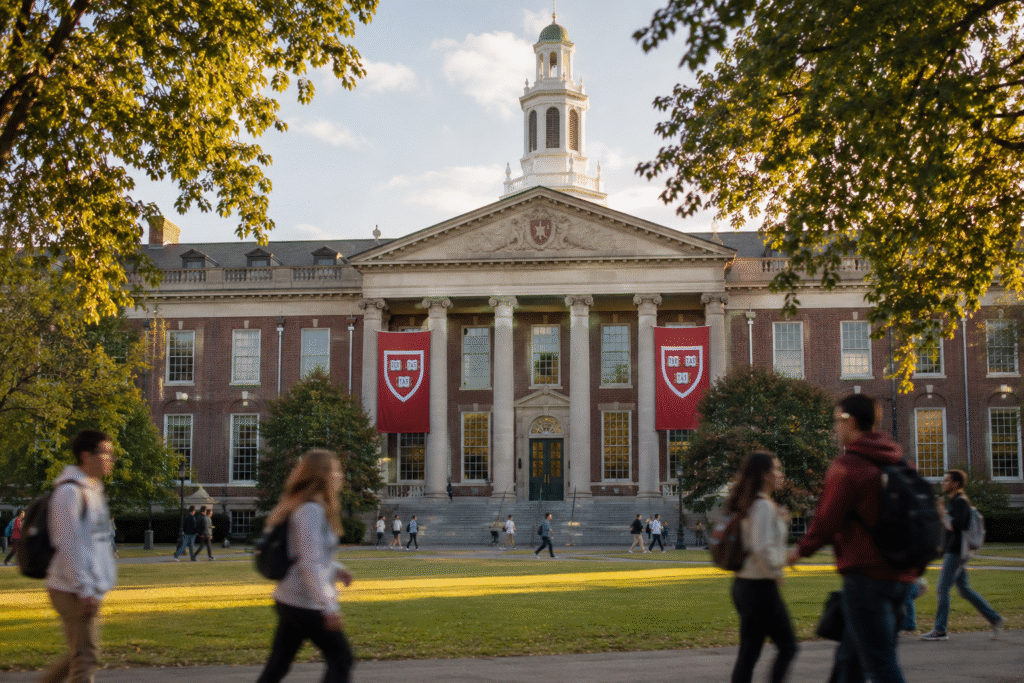
Here’s something I’ve noticed after years of fielding questions from anxious parents in Lahore, ambitious teenagers in Lagos, and slightly bewildered postgraduate applicants from Mumbai: people fall in love with the idea of Oxford and Cambridge, then quietly Google “Cardiff University UK” at 1am because they want a Russell Group degree without the soul-crushing rejection ratio. And almost without fail, Cardiff University UK keeps surfacing on those late-night searches for a reason. There’s logic to that. Cardiff University UK sits in a curious sweet spot. Russell Group prestige, but with an acceptance rate that doesn’t make you cry. World-class research output, but tuition that won’t quite require you to remortgage your grandmother. A capital-city setting, yet without London’s eye-watering rent. So is the hype real? Mostly, yes. But there are nuances — the kind that brochures gloss over and YouTube vloggers oversimplify. Let me walk you through the real picture. A Brief Detour Into Why Cardiff University UK Even Exists (It’s Quite Romantic, Actually) Cardiff University UK was founded in 1883. Thirteen academics. One hundred and two students. A donation campaign that, frankly, would not have hit its Kickstarter target if Kickstarter existed in Victorian Wales. From those modest beginnings, the institution has grown into a research powerhouse that now teaches more than 33,000 students — and counts two Nobel laureates among its faculty alumni, plus seven Queen’s Anniversary Prizes. It is the only Welsh member of the Russell Group, that loose alliance of 24 research-heavy UK universities that hoover up roughly two-thirds of the country’s research funding. Translation: when you graduate from Cardiff University UK, your degree carries weight. Recruiters at the Big Four, BBC, NHS, and various multinationals know exactly what it means. A small confession: I have a soft spot for Cardiff. It’s the kind of university city where you can walk from a lecture on quantum mechanics to a national rugby final in twenty minutes. That’s not a sentence you can write about most places. Rankings: Where Cardiff University UK Actually Stands in 2026 People obsess over rankings. I get it. They’re imperfect, but they’re a shorthand. Here’s where Cardiff University UK currently sits — and I’ll be straight with you, the picture is strong without being stratospheric: For specific subjects, Cardiff genuinely punches above its weight. Journalism is widely whispered about as “the Oxbridge of journalism” — and the QS subject rankings back that up, placing Communication and Media Studies in the global top 50. Dentistry, optometry, architecture, civil engineering, psychology: all consistently strong. If you’re researching where to study generally, our broader breakdown of why the UK still works for international applicants is worth a skim before you commit. And if you’re still deciding which institution suits you best, browse our complete UK university list here. What Cardiff University UK Actually Teaches (And Where It Genuinely Shines) There are roughly 300 undergraduate programmes and over 200 taught master’s options at Cardiff University UK. That’s a lot of choice. Rather than list them all (your eyes would glaze; mine already are), here’s the honest breakdown of where Cardiff has serious reputation: The standouts, in no particular order of personal bias: If you’re leaning towards specific career fields, you might also find our deeper guides useful: Nursing routes, Master’s in Psychology, or our full catalogue of postgraduate courses. You can also browse the dedicated Cardiff University UK course page here. A heads-up on Cardiff University UK applications: many of the most popular postgraduate taught programmes are best applied to early in the cycle — places do fill, especially in business, computer science, and data analytics. Cardiff University UK Tuition Fees: The Money Conversation Nobody Wants to Open With Right. Tuition. Let’s stop dancing around it. Cardiff University UK’s overseas fees sit roughly mid-range for Russell Group institutions — meaningfully cheaper than UCL or Imperial, similar to Manchester or Bristol. Here’s a snapshot for the 2026/27 entry cycle: Level of Study Typical Annual Fee Range (International) Notes Undergraduate (most courses) £22,450 – £28,200 Arts & social sciences at lower end Undergraduate (lab-based science / engineering) £28,200 – £30,450 Higher resource costs Medicine / Dentistry (clinical years) £42,950 – £44,500 Pre-clinical years priced separately Postgraduate Taught (most MAs/MScs) £22,950 – £32,450 MBA & data science higher PhD / Research £24,000 onwards Varies by school & funding Fees confirmed via Cardiff University’s official tuition pages — always cross-check the official Cardiff fee page before you budget. Now, the part most students miss: living costs in Cardiff are remarkably reasonable. UK Visas and Immigration sets the minimum maintenance requirement at £1,136 per month for studies outside London — but most students I’ve spoken to manage on something closer to £900–£1,000 if they’re sensible about food and don’t go clubbing four nights a week (a discipline I respect but cannot relate to). For wider budget context, our student finance overview and the cheapest UK universities round-up for 2026 put Cardiff’s numbers in perspective. ⚠️ A warning I wish someone had told me: Do not assume you can fund your degree purely from part-time work. Yes, you can work 20 hours weekly on a Student visa. Yes, hospitality and retail jobs exist. No, they will not cover a £28,000 tuition bill. Plan your finances assuming work income is supplementary — anything more is gravy. Cardiff University UK Scholarships That Are Actually Worth Applying For Cardiff University UK is genuinely decent on funding, particularly compared to some Russell Group peers who’ll wave a couple of £1,500 awards in your face and call it a scholarship scheme. Here’s what’s worth pursuing: Undergraduate International Excellence Scholarships — £10,000 awards, nine available, for autumn 2026 entry. Application deadline runs into early April. You need to write a 300-word piece on why you deserve it. Sounds simple. Isn’t. The competition is fierce. Vice-Chancellor’s International Scholarship (Postgraduate Taught) — Standard award is £4,000, but applicants from certain countries get £6,000 and students from Bangladesh or Nigeria are eligible for £10,000. No separate application — it’s automatic if
International Student Scholarships UK: How to Get Funding

Introduction If you’re hunting for international student scholarships UK programmes, here’s the truth nobody leads with: the money genuinely exists — in volumes most applicants don’t realise. Tuition fees north of £15,000 a year. London living costs that accelerate through savings like a fast train through a station. It can feel, rather quickly, like studying in Britain is a privilege reserved for people whose parents made considerably better financial decisions than yours. But here’s what those panic-inducing fee tables won’t tell you: international student scholarships in the UK collectively run into hundreds of millions of pounds annually. Government-funded awards. University merit scholarships. Subject-specific bursaries tied to skills Britain urgently needs. Money that doesn’t need repaying — money with genuine prestige attached — money that could cover not just your tuition but your accommodation, flights, and that first bewildering British winter coat. The problem isn’t that UK scholarships for international students don’t exist. It’s that most students either discover them too late, apply without understanding what committees actually look for, or don’t realise that some of the best awards have almost embarrassingly low application rates. This guide untangles all of it: government programmes, university funding, subject-specific awards, country-specific schemes, and the application realities no brochure will admit. Why So Many International Student Scholarships UK Are Available — And Who Benefits Before listing specific programmes, it’s useful to understand why this landscape is as rich as it is. UK universities are locked in fierce international competition for talented students — and not just the Oxfords and Cambridges. Mid-tier institutions, regional universities, specialist colleges — all of them increasingly offer merit awards because a diverse international cohort enriches campus culture, lifts global rankings, and frankly makes the place more academically interesting. Government bodies fund scholarships as deliberate soft diplomacy: bring the brightest students from Pakistan, Ghana, India, Nigeria, Bangladesh — give them a world-class education — and you build relationships that outlast careers. This structural reality creates a genuinely favourable environment for students who know where to look. Chevening: The Most Recognised International Student Scholarship UK Offers The Chevening Scholarship is funded by the UK Foreign, Commonwealth & Development Office (FCDO) and offered in partnership with universities across Britain. It covers full tuition, living expenses, and return flights — essentially a complete financial package for a one-year master’s degree. What makes Chevening unusual among international student scholarships UK has to offer isn’t the money. It’s the network. Chevening alumni sit in parliaments, boardrooms, and embassies across the world. If you’re interested in leadership, policy, international affairs, or any field where your contacts matter as much as your qualifications (which is most fields), the community you join by winning is arguably worth more than the scholarship value itself. Eligibility requirements: a bachelor’s degree, at least two years of work experience, and a commitment to return to your home country for two years after graduating. Applications open in August and close in early November. Four essays, strong references, a genuine expectation that you can articulate why you specifically need this scholarship to achieve something specific. The reality about Chevening rejections: Most unsuccessful applications fail not because candidates lack qualifications, but because the essays are vague. “I want to make a difference” is not a leadership narrative. Winners have a story — a specific problem they’ve witnessed, a logical career arc, a reason UK training uniquely positions them to act on it. Commonwealth Scholarships for International Students in the UK The Commonwealth Scholarship Commission funds placements at UK universities for citizens of Commonwealth countries — with deliberate priority given to students from lower-income nations. Several streams exist: master’s scholarships, PhD scholarships, split-site PhD scholarships (time split between UK and home-country institution), and professional fellowships. Applications are administered through each country’s own government body. Pakistan routes through the Higher Education Commission; Nigerian students apply via the Federal Government Scholarship Board. Start this process 12–18 months before your intended start date. Government scholarship bureaucracy does not move quickly, in any country. One underappreciated option within Commonwealth funding: the split-site PhD. If you’ve already begun doctoral study at home, you may qualify to spend 12 months at a UK institution without abandoning your existing programme. Many students who would benefit from this never discover it exists. Gates Cambridge: The Most Prestigious International Student Scholarship UK Has If Chevening is impressive, the Gates Cambridge Scholarship operates in a different stratosphere entirely. Funded by the Bill & Melinda Gates Foundation, it provides full financial support for any degree programme at the University of Cambridge — undergraduate, postgraduate taught, or PhD — selecting students on academic excellence, leadership potential, and genuine commitment to improving others’ lives. This is not a scholarship you apply to as a backup. Shortlisted candidates travel to Cambridge for interviews. The cohort of roughly 90 international scholars per year is, bluntly, exceptional company. But — and this matters — Gates Cambridge scholars are not exclusively drawn from elite universities or wealthy backgrounds. The foundation has been deliberate about this. An exceptional academic record and a compelling vision for what you’ll do with the education is what’s required, regardless of institutional pedigree. GREAT Scholarships: Underused International Student Scholarships UK Students Should Know The GREAT Scholarships programme — run jointly by the British Council and the UK government — is one of those funding streams that doesn’t get nearly the coverage it deserves as a source of international student scholarships in the UK. In partnership with around 40 UK universities, it offers awards of at least £10,000 towards master’s tuition fees for students from specific countries: China, India, Kenya, Pakistan, Bangladesh, Egypt, Ghana, Malaysia, Nigeria, Thailand, and others. What’s interesting about GREAT is that applications sit with individual universities rather than centrally. You find eligible programmes through the British Council’s partnership page, then manage the process directly with the institution. Competition is meaningfully lower than flagship national schemes like Chevening — worth including in any application strategy. University-Level International Student Scholarships in the UK: The Undiscovered Country Here’s something
Loughborough University UK: Rankings, Courses, Fees & Scholarships
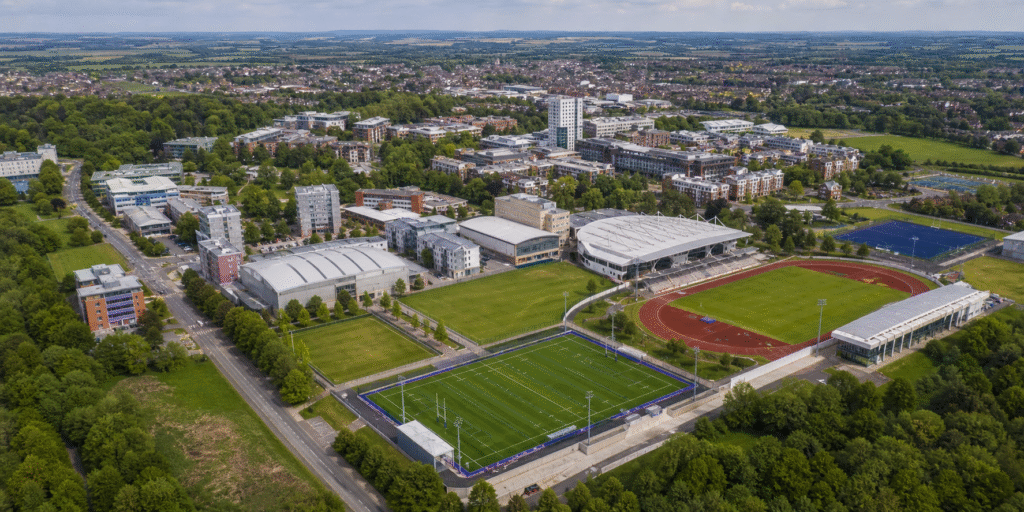
If you’ve been trawling through UK university listings and Loughborough keeps appearing — there’s a reason. It’s not just the sport (though yes, the sport is extraordinary). Loughborough University UK sits in a peculiar and rather enviable position: consistently ranked among Britain’s top ten universities, yet somehow flying under the radar compared to the usual Oxford-Cambridge chatter. For international students trying to figure out whether it belongs on their shortlist, that’s honestly quite refreshing. I want to give you something more useful than a brochure regurgitation. So let’s get into the numbers, the courses, the real costs, and the scholarships that can actually make a difference — and I’ll flag where the surprises are along the way. Where Loughborough Actually Stands (The Rankings Picture) Rankings are a bit like football league tables — endlessly debated and occasionally misleading. But they do matter to employers and visa officers alike, so here’s the honest picture for Loughborough University UK. In the Guardian University Guide 2024, Loughborough ranked 6th overall in the UK — above many universities with far more famous names. The Complete University Guide places it consistently in the top 10. And in the Times Higher Education World Rankings, it sits in the 401–500 global band, which for a mid-sized campus university is genuinely impressive. What distinguishes Loughborough isn’t just its overall ranking though — it’s the subject-specific performance. Sport Science, Engineering, Design, and Business routinely appear in top-5 UK positions for their discipline. The university has been named University of the Year multiple times by different publications, which is either a testament to quality or extraordinary PR. Probably both. Loughborough has been ranked the UK’s number one university for student experience more times than most institutions dare count. For international students who ask whether the degree will be recognised globally — yes, absolutely. The Loughborough University brand carries genuine weight with graduate employers in the UK, Europe, and beyond. The Campus Nobody Warns You About Here’s something the official website glosses over: Loughborough is a proper campus university. Not in the sense that everything is crammed into a city block — in the sense that the campus is vast, self-contained, and remarkably well-equipped. Think sports facilities that have hosted Olympic athletes (literally — some came here to train), a dedicated design school, and an engineering quarter that feels more Silicon Valley startup campus than traditional British lecture halls. It’s located in Loughborough, Leicestershire — which is, let’s be honest, not London. It’s a small market town. For some students this is a dealbreaker; for others (especially those who want to focus, build community, and not haemorrhage money on city rent) it’s ideal. The campus essentially is the social life, which creates a very specific kind of university experience. There is also a London campus — Loughborough University London at the Queen Elizabeth Olympic Park — which offers postgraduate programmes and is worth knowing about if you specifically need to be in the capital. Courses That Actually Turn Heads Loughborough University UK offers over 100 undergraduate programmes and a substantial postgraduate catalogue. Rather than list every single option, here’s where the university genuinely excels — and where the demand from international students is highest. Engineering & Technology Mechanical, Aeronautical, Civil, Electronic, Chemical — the engineering faculty is one of the most research-active in the UK. Accreditation from bodies like IMechE, IET, and ICE is standard. If you’re looking at a BEng or MEng with genuine industry connections and placement year options, this is a serious contender. Sport & Exercise Science This is where Loughborough’s reputation becomes almost mythological. The university’s sport science programmes are considered among the best on the planet — not just in the UK. Alumni have worked with Olympic teams, Premier League clubs, and national governing bodies across every sport you can think of. The facilities alone justify the application. Design & Creative Arts The Loughborough Design School consistently ranks in the UK top 5 for Design. Industrial design, product design, graphic communication — these are programmes where graduates genuinely go on to work for companies like Dyson, Apple, and BMW. The school has a distinct culture that’s collaborative, hands-on, and occasionally quite chaotic (which is, frankly, what good design education looks like). Business & Economics The School of Business and Economics is AACSB-accredited — a distinction fewer than 5% of business schools globally can claim. MBA programmes, MSc Finance, and undergraduate business degrees all carry that accreditation benefit. International students considering a postgraduate business qualification in the UK should look carefully here. Computer Science & Data Science Growing rapidly. Data science programmes and computer science degrees at Loughborough benefit from genuine research depth, particularly around AI and human-computer interaction. Placement Year Tip Most undergraduate programmes at Loughborough offer an optional placement year — and roughly 60–70% of students take one. The employment outcomes for placement year graduates are noticeably stronger. If you’re on the fence, take the year. What It Actually Costs — Fees Without the Spin Let’s be direct about money because the figures on university websites often require a degree to decode. Programme Type Annual Tuition (International) Annual Tuition (UK/Home) Duration Undergraduate (Arts/Social) £20,150 – £22,750 £9,250 3–4 years Undergraduate (STEM) £22,500 – £26,000 £9,250 3–4 years Postgraduate (MSc / MA) £20,500 – £28,000 £10,000–£14,500 1 year MBA (London Campus) £30,000 – £35,000 £18,000–£22,000 1 year PhD / Research £18,000 – £25,000 £4,712 (approx.) 3–4 years Note: Figures are approximate and based on 2024–25 published rates. Always confirm directly with the Loughborough fees page. Living costs in Loughborough itself are meaningfully lower than London or even many other UK cities. Expect to budget roughly £9,000–£11,000 per year for accommodation, food, transport, and incidentals if you’re on the main campus. That’s not nothing, but it’s considerably less painful than the equivalent in Bristol or Edinburgh. Cost Trap to Avoid The Loughborough London campus (Queen Elizabeth Olympic Park) is significantly more expensive for living costs than the main Loughborough campus. Factor an additional £6,000–£8,000 per year in living expenses if you’re studying there instead. Many students underestimate this completely. Scholarships That Are Actually Worth Applying For This is the section most prospective students skip too
Masters in Psychology UK: Best Universities, Entry Criteria & What Nobody Tells You Before You Apply

By GCRD HUB Education Advisors | Updated April 2026 | 14 min read Here’s something that surprises a lot of people: psychology is one of the most searched postgraduate subjects in the UK, yet a remarkable number of applicants still don’t know whether their undergraduate degree even qualifies them to apply — or what the difference actually is between a conversion MSc, a research MRes, and a professionally accredited programme. The result? Strong candidates talk themselves out of applying, or worse, apply to entirely the wrong course. This guide cuts through all of that. Whether you’re a psychology graduate wondering where to go next, a career-changer with a degree in something else entirely, or an international student trying to decode the British postgraduate system — read on. A masters in psychology UK can be transformative, but only if you pick the right course for the right reasons. Why the UK, Specifically? It’s a fair question. The US has bigger psychology departments. Canada has strong programmes. Australia is warm. So what does Britain actually offer? Quite a lot, as it turns out. UK postgraduate psychology programmes are typically one year full-time (occasionally two for professional routes), which means you’re spending less money on living costs and getting back into the workforce — or into doctoral study — faster. The British Psychological Society (BPS) accredits programmes rigorously, and that accreditation actually means something internationally. Graduate Basis for Chartership (GBC) — the BPS credential you earn through an accredited masters — is recognised in many Commonwealth countries and increasingly beyond. There’s also the sheer variety. The UK’s higher education landscape runs from ancient Russell Group institutions to modern universities with deeply specialised niches. You can study forensic psychology, clinical neuroscience, occupational and business psychology, or go down the neuroscience and mental health route — all as standalone master’s degrees. That kind of specificity is genuinely unusual. The Landscape: Types of Masters in Psychology You’ll Actually Encounter Not all masters degrees in psychology are created equal — and this is where a lot of applicants stumble. Let’s break it down simply. MSc Psychology (Conversion) — designed for graduates whose undergraduate degree was not psychology. These courses cover the BPS-recognised core areas and are the pathway to Graduate Basis for Chartership if you studied something else at undergrad level. They are enormously popular with career-changers. MSc Psychology (Specialist/Advanced) — assumes you already hold GBC or a BPS-accredited undergraduate degree, and dives deep into a specific area. Think developmental psychology, health psychology, or clinical mental health psychology. MRes Psychology — a Master of Research. Heavily weighted towards original research, often used as preparation for a PhD. Less coursework, more lab time and dissertation work. Not the right choice if you want professional practice; exactly the right choice if you want academia. Professionally Accredited Programmes — things like the MSc in Occupational Psychology or Health Psychology programmes that are BPS Stage 1 accredited. These are the first rung of the ladder toward Chartered Psychologist status in that specialism. Worth knowing: a psychology conversion masters and a specialist masters require very different things from applicants. Applying to the wrong one wastes everyone’s time. The Universities That Actually Stand Out (and Why) Rankings matter less here than you might expect. A department ranked 5th nationally for overall psychology might have the country’s leading expert in exactly your area. That said, there are consistent names that appear when you look at research output, student satisfaction, and employability — and a few surprises. Below is a practical overview of universities that frequently appear on shortlists for a masters in psychology UK — along with honest observations about what each is known for. University Notable Specialism(s) BPS Accredited? Approx. Annual Fees (International) Entry Requirement (Typical) University of Sheffield Clinical & Health Psychology, Psychological Research Methods Yes £20,000–£23,000 2:1 Hons in Psychology or related Northumbria University Forensic Psychology, Sport & Exercise Psychology Yes (select programmes) £15,500–£17,000 2:2 or 2:1 depending on programme Leeds Beckett University Counselling Psychology, Occupational Psychology Yes £13,500–£15,000 2:2 Hons + relevant work experience University of Sunderland Psychology Conversion, Mental Health Yes (conversion route) £13,000–£14,500 2:2 Hons (any subject for conversion) De Montfort University Forensic Psychology, Applied Psychology Yes £14,500–£16,000 2:1 preferred; 2:2 with experience University of Bradford Psychology & Counselling, Health Psychology Select programmes £14,000–£16,000 2:2 Hons in Psychology University of Greenwich Applied Psychology, Cognitive Neuroscience Yes £15,000–£17,000 2:1 in Psychology or related London Metropolitan University Integrative Counselling, Community Psychology Select programmes £13,500–£15,500 2:2 Hons; portfolio sometimes required Anglia Ruskin University Forensic Psychotherapy, Health Psychology Yes £14,000–£16,500 2:1 Hons; relevant professional exp. valued Bangor University Neuroimaging, Clinical Psychology Research Yes £14,500–£17,000 2:1 in Psychology; strong research background *Fees are indicative for 2025–26 entry and subject to change. Always verify directly with the institution. 💡 Worth knowing before you shortlist: BPS accreditation status changes. A programme that was accredited last year might be under review this year. Always verify directly on the BPS accredited courses register — don’t rely solely on the university’s marketing material, which can lag behind. Entry Criteria: What They Say vs. What They Mean University entry requirements are written in a language that is technically English but somehow manages to be quite unclear. Here’s a translation. “2:1 Honours degree in Psychology or a related discipline” — this is the most common requirement for specialist MSc programmes. “Related discipline” is often loosely defined; neuroscience, sociology, education, and even nursing can qualify in some contexts. But don’t assume — check with the admissions team. “Graduate Basis for Chartership (GBC) required” — this one is more specific. It means you need either a BPS-accredited undergraduate psychology degree, or a BPS-accredited conversion masters. If you have neither, the door isn’t necessarily closed; some departments will consider candidates who can demonstrate equivalent learning, particularly with strong professional experience. “Relevant work experience desirable” — at master’s level, “desirable” often functions more like a strong expectation than an optional extra. A year of relevant voluntary or paid work can tip a borderline application significantly. Think assistant psychologist roles, mental health support work, social care, research assistant positions. English language requirements for international students — typically IELTS 6.5 overall with no less than
Masters in UK: Unfiltered Guide to Courses, Universities & What Actually Matters

Here’s something nobody tells you when you’re googling “Masters in UK” at 2 AM: the hardest part isn’t getting in—it’s figuring out if you’re even looking at the right thing. I mean, should you trust a university ranking that puts Imperial above Cambridge for engineering, or the one that doesn’t? Does a 2:1 classification actually translate to your 3.2 GPA, or are you setting yourself up for disappointment? And why does every website make it sound like studying for a Masters in UK is simultaneously the easiest and most impossible thing you’ll ever do? The truth? Getting a postgraduate degree in Britain is genuinely brilliant for some people and a spectacularly expensive mistake for others. The difference often comes down to knowing what you’re actually signing up for—not the glossy brochure version, but the reality of condensed one-year programmes, eye-watering tuition fees, and a job market that’s… well, let’s just say it’s complicated. This isn’t going to be one of those articles that lists university names you already know and calls it a day. Whether you’re considering a Master in Business Administration, looking into data science programmes, or eyeing psychology conversion courses, we’re diving into what actually makes UK postgraduate education tick—and whether it deserves the hype. Why Everyone’s Suddenly Obsessed with a Masters in UK (and Why That Might Be a Problem) Let’s address the elephant in the lecture hall: pursuing a Masters in UK has become almost fashionable. Over 185,000 Indian students alone were studying in Britain as of 2024, with the majority enrolled in master’s programmes. That’s not including students from Nigeria, Pakistan, Bangladesh, China—the list goes on. But here’s what’s wild: while everyone’s clamouring to get in, the UK government keeps tightening visa regulations and hiking financial requirements. It’s a bit like queuing for hours outside a club that keeps raising the cover charge. So what’s the actual appeal? The one-year structure is genuinely revolutionary if you think about it. While your friends pursuing postgraduate degrees in North America are settling in for a two-year commitment, you could theoretically be done, graduated, and working (thanks to the Graduate Route visa) in the time it takes them to finish their coursework. Time is money, as they say, though we’ll get to exactly how much money in a minute. Then there’s the prestige factor. Four UK universities sit in the global top ten. Oxford. Cambridge. Imperial. UCL. These names carry weight everywhere from Silicon Valley to Singapore. But—and this is crucial—so do universities you’ve probably never heard of, at least in your specific field. The Russell Group: Britain’s Answer to the Ivy League (Sort Of) If you’re researching universities for a Masters in UK, you’ve definitely stumbled across the term “Russell Group.” These 24 research-intensive universities (think Oxford, Cambridge, Manchester, Edinburgh, Warwick) receive two-thirds of all UK research funding and produce over half the country’s research output. Should you only apply to Russell Group institutions? Absolutely not. Here’s the thing nobody mentions: Russell Group graduates don’t just get jobs—over 95% find employment or further study within six months, but that statistic glosses over an important detail. Non-Russell Group universities like St Andrews, Bath, and Loughborough consistently outrank some Russell Group members in specific subjects. Your future university matters less than your specific programme and how it aligns with your career goals. Reality Check: The “Russell Group or bust” mentality has created artificial scarcity. Some phenomenal programmes at universities like Sunderland, Solent, or De Montfort offer better value, more personalised attention, and stronger industry connections than their more famous counterparts. Don’t let rankings think for you. The Money Talk Nobody Wants to Have (But We’re Having It Anyway) Right. Let’s talk about what pursuing a Masters in UK actually costs, because the figures thrown around online range from “surprisingly affordable!” to “you’ll need to sell a kidney.” Tuition fees for international students typically sit between £10,000 and £35,000 per year. That’s roughly ₹10.4 lakhs to ₹36.4 lakhs annually. MBA programmes and medicine? You’re looking at fees that can breach £55,000. But wait—there’s more! (As they say in those infomercials nobody asked for.) Expense Category London (Annual) Outside London (Annual) Accommodation £9,600 – £15,000 £6,000 – £9,600 Food & Groceries £2,400 – £3,600 £1,800 – £2,800 Transport £1,500 – £2,000 £600 – £1,200 Books & Materials £500 – £800 £500 – £800 Personal & Social £1,500 – £3,000 £1,200 – £2,400 Total Living Costs £15,500 – £24,400 £10,100 – £16,800 Add your tuition to your living expenses, and you’re looking at a total investment of roughly £25,000 to £60,000 for your entire programme. That’s assuming you don’t develop a sudden obsession with West End theatre or decide Edinburgh’s whisky scene requires thorough investigation. Can you work whilst studying? Yes—up to 20 hours per week during term time. Will that cover your expenses? Probably not entirely, but it helps. And crucially, it gives you UK work experience, which UK employers value far more than you’d expect. Scholarships: The Bit That Actually Gives You Hope Before you close this tab in despair, know this: there’s scholarship money floating around if you know where to look. Russell Group universities offer multiple scholarships to attract talented Indian students, with most scholarship deadlines closing between December 2024 and February 2025. The Chevening Scholarship, GREAT Scholarships, Commonwealth Scholarships—these aren’t mythical creatures. They’re real, they’re substantial, and yes, the competition is fierce. But someone has to win them. Why not you? Many universities also offer their own funding, particularly for research-based programmes. If you’re pursuing a public health degree or clinical nutrition programme, sector-specific scholarships might be available too. What You’ll Actually Study: The Most Popular Masters Programmes Right Now The landscape of postgraduate education shifts faster than British weather. What was cutting-edge three years ago might be oversaturated now. What seemed niche could be tomorrow’s gold rush. Currently? These programmes dominate applications for a Masters in UK: Business & Management remains the heavyweight champion. MBAs, naturally, but also specialised programmes in finance, marketing, human resource management, and project management. The London Metropolitan University and University of Greenwich offer particularly strong business programmes with solid industry connections. Data Science, AI, and Computer Science have exploded. Although Data Science & Big Data is
The Complete Guide to the Best Universities in UK for 2025
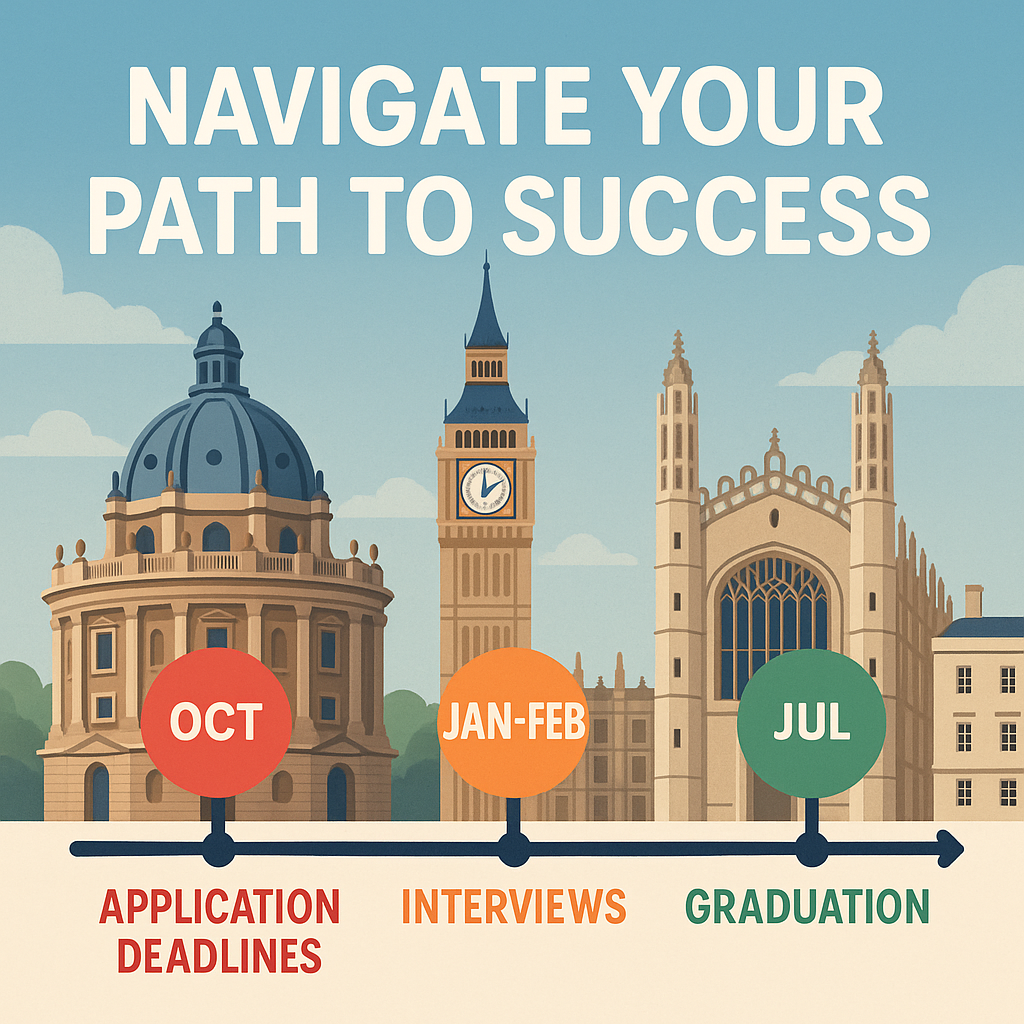
The Complete Guide to the Best Universities in UK for 2025 Picture this: you’re scrolling through university websites at 2 AM, coffee gone cold, trying to figure out which UK institution deserves your next three (or four) years. Sound familiar? Here’s the thing—choosing from the best universities in the UK isn’t just about prestige anymore. Sure, Oxford still wears its ancient crown with pride, but the landscape has shifted dramatically. Some universities have rocketed up rankings while others… well, they’ve had better years. What makes this particularly fascinating in 2025 is how international fees have skyrocketed—we’re talking anywhere from £11,400 to nearly £68,000 annually for overseas students. That’s mortgage-level money for many families. Yet applications keep pouring in. Why? Because the best universities in the UK continue delivering something money can’t buy elsewhere: a peculiar blend of academic rigour, cultural immersion, and networking opportunities that last lifetimes. I’ve spent countless hours dissecting league tables, chatting with admissions tutors, and—let’s be honest—getting slightly obsessed with understanding what actually makes a university “best” in 2025. Spoiler alert: it’s not what you think. Why Rankings Matter Less (and More) Than Ever Oxford maintains its stranglehold on the top spot for the ninth consecutive year, but here’s where things get interesting. LSE has catapulted to the number one position in some rankings, pushing Cambridge down to fourth place. What’s happening here? Different ranking systems value different things. The Times Higher Education focuses heavily on research impact and international outlook. The Complete University Guide weighs student satisfaction and graduate prospects more heavily. QS Rankings obsess over academic reputation surveys. This creates a wonderful mess where your “best” university depends entirely on what you’re optimising for. Want cutting-edge research? Oxford’s your bet. Prefer smaller class sizes and pastoral care? St Andrews might be calling. Looking for industry connections in finance? LSE suddenly looks very attractive. The Elite Eight: Universities That Actually Matter Let me be brutally honest about something most guides won’t tell you: there’s a massive gulf between the top tier and everyone else. The consistent top performers are Oxford, Cambridge, LSE, St Andrews, and Imperial, with Durham (see also Gcrd Hub’s Durham University page), Bath, and UCL frequently in the top-10. But rankings can be misleading. Here’s what each institution actually excels at: Oxford University Still the gold standard, particularly for humanities and social sciences. Their tutorial system remains unmatched, though the workload is frankly intimidating. Think three essays per week, every week, for three years. Cambridge University Science powerhouse with a college system that creates lifelong networks. Their Natural Sciences Tripos is legendary among academics, brutal among students. London School of Economics (LSE) The surprise champion of 2025. Their economics, politics, and international relations programmes are world-class. Plus, you’re in London—which matters more than people admit. Imperial College London Engineering and medicine at their absolute finest. If you want to design the future or save lives, this is your place. Just don’t expect much hand-holding. University of St Andrews Scotland’s hidden gem with an undergraduate experience that feels more American liberal arts than British. Beautiful coastal town, excellent teaching, and surprisingly good graduate outcomes. The Financial Reality Check University TypeUK Students (Annual)International (Annual)Living Costs (Annual)Elite Universities£9,535£24,910 – £67,892£12,000 – £18,000Russell Group£9,535£18,000 – £35,000£10,000 – £15,000Other Universities£9,535£11,400 – £25,000£8,000 – £12,000 Maximum tuition fees increased by 3.1% for the 2025-26 academic year, which sounds modest until you realise this affects every single year of your degree. This represents the first increase in eight years, breaking a fee freeze that had left many universities struggling financially. Nearly three quarters (72 per cent) of providers could be in deficit by 2025-26, which explains the government’s decision to end the freeze. For international students, the numbers are frankly eye-watering. Undergraduate degrees for international students cost between £11,400 and £67,892 per year, with no fee cap applying to overseas students. (For official information on student finance, see GOV.UK Student Finance and Gcrd Hub’s Student Finance page). Beyond the Obvious: Universities That Punch Above Their Weight While everyone fixates on Oxbridge, some institutions are quietly building extraordinary reputations: University of Bath Their engineering and management programmes rival Imperial’s, but with better student satisfaction scores. Plus, Bath is genuinely lovely to live in. University of Warwick Economics and business school that’s produced more CEOs than you’d expect. Their career services are phenomenal. (Gcrd Hub offers various Business Management courses). King’s College London Medicine, law, and humanities in the heart of London. The location advantages are impossible to ignore. University of Edinburgh Scotland’s research giant with international recognition that often surprises people. Their AI and data science programmes are world-class. Subject-Specific Powerhouses This is where things get really interesting. The best universities in the UK aren’t always the same across disciplines: Medicine Oxford, Cambridge, Imperial, Edinburgh, King’s College London. (Explore health-related courses on Gcrd Hub) Engineering Cambridge, Imperial, Bath, Southampton (see also Gcrd Hub’s Southampton University page), Sheffield (see also Gcrd Hub’s Sheffield University page). (Explore Engineering courses on Gcrd Hub) Law Oxford, Cambridge, LSE, UCL, King’s College London. (Explore Law courses on Gcrd Hub) Business LSE, Imperial, Warwick, Bath, Lancaster. (Explore Business courses on Gcrd Hub) Computer Science Cambridge, Imperial, Edinburgh, UCL, Southampton. (Explore Computing courses on Gcrd Hub) What’s fascinating is how some universities dominate specific fields while being mediocre elsewhere. Take Southampton—barely registers in overall rankings but produces some of the world’s best engineers. The International Student Perspective Let’s address the elephant in the room: UK universities are generally more affordable than US universities, with tuition ranging from £10,000 to £38,000 versus $35,000 to $60,000 in America. But “affordable” is relative when you’re looking at total costs approaching £50,000+ annually for the top institutions. Here’s what international students often don’t realise: Shorter degrees: Most UK undergraduate programmes are three years, not four Specialisation from day one: No “gen ed” requirements—you study your chosen subject immediately Research opportunities: Many programmes include dissertation projects that look impressive on graduate school applications The value proposition becomes clearer when you