
If you’ve ever stood in a hospital corridor and thought, “Yes, this is where I belong,” then choosing among the best nursing courses in the UK for international students is not just an academic decision. It’s a life direction choice. Big one. Slightly terrifying. Also exciting.
The UK has a strange kind of magic when it comes to nursing education. Old universities, modern simulation labs, NHS-linked placements, strict standards, and very real patient contact early in training. You are not learning in a bubble here. You are learning where things actually happen.
I’ve seen students obsess over rankings, tuition, city weather, even cafeteria menus, yet forget to check clinical hours or NMC recognition. That’s like buying a stethoscope for the colour.
If you are exploring nursing courses UK options and feeling buried under brochures and bold claims, good. That means you’re taking it seriously. Let’s sort it properly.
Why So Many International Students Choose Nursing Courses UK Pathways
There’s a practical reason and a credibility reason.
Practical first:
- UK nursing degrees are tightly regulated
- Clinical hours are built into the programme
- Training aligns with NHS standards
- Graduates are positioned for NMC registration routes
Credibility next:
A UK nursing qualification travels well. Employers across regions recognise the structure and clinical exposure behind most accredited nursing courses UK degrees.
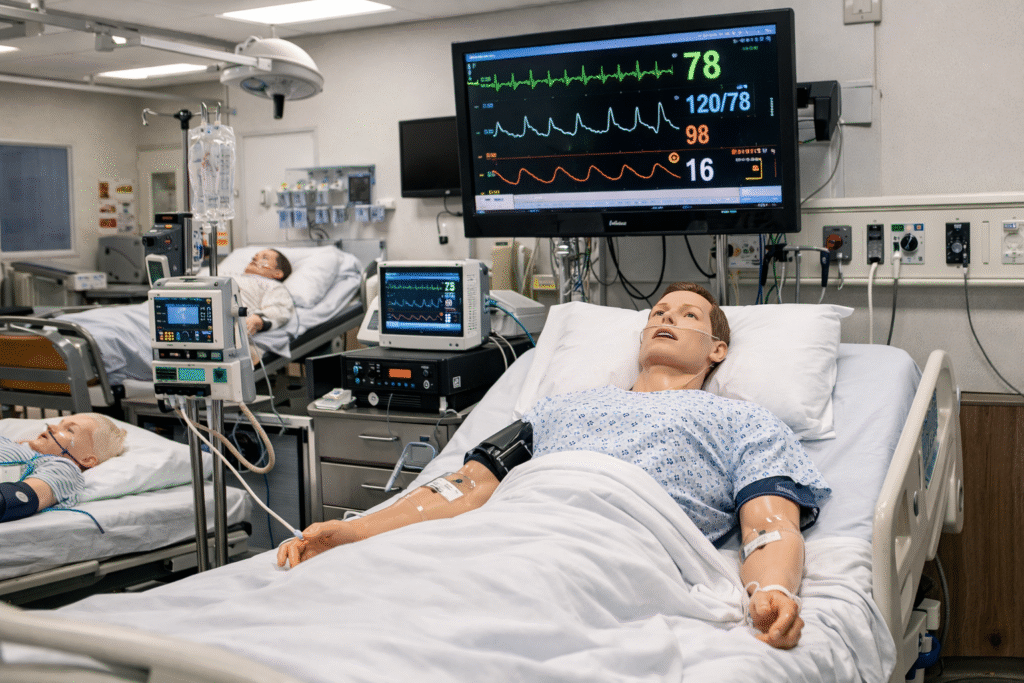
Also, the teaching style is less about memorising thick textbooks and more about applied judgement. Case scenarios. Ethical dilemmas. Sim labs that look alarmingly real.
You will be asked what you would do, not just what the book says.
The Main Types of Nursing Courses UK Universities Offer
Not all nursing degrees are general. Specialisation often begins at undergraduate level in the UK, which surprises many international applicants.
Here is the typical split you’ll see across nursing courses UK universities:
| Course Type | Focus Area | Clinical Settings | Common Degree Title |
|---|---|---|---|
| Adult Nursing | General adult patient care | Hospitals and community care | BSc Adult Nursing |
| Child Nursing | Paediatric care | Children’s hospitals and wards | BSc Child Nursing |
| Mental Health Nursing | Psychiatric and behavioural care | Mental health units and clinics | BSc Mental Health Nursing |
| Learning Disability Nursing | Developmental and cognitive support | Specialist centres and community services | BSc Learning Disability Nursing |
Quick reality check. Switching specialisation mid degree is not always simple. Choose with intent.
Universities Known for Strong Nursing Courses UK International Students Apply To
Rankings shift every year. Facilities upgrade. Faculty changes. Still, some names appear again and again when students search for the best nursing courses in the UK for international students.
This table is helpful but intentionally a bit rough around the edges because universities are not identical machines.
| University | Course Length | Typical IELTS | Quick Note |
|---|---|---|---|
| King’s College London | 3 years | 7.0 | Strong NHS hospital partnerships |
| University of Manchester | 3 years | 6.5–7.0 | Research plus clinical balance |
| University of Edinburgh | 4 years | 7.0 | Longer, theory-rich structure |
| University of Nottingham | 3 years | 6.5 | Excellent simulation labs |
| Glasgow Caledonian University | 3 years | 6.5 | Practice-focused training |
When comparing nursing courses UK wide, check:
- NMC alignment
- Clinical hour totals
- Placement partners
- Skills lab facilities
- International student support units
Clinical Hours. The Part Everyone Skims and Shouldn’t
UK nursing degrees are not lecture heavy in the way many countries run them. Roughly half the programme is clinical placement. Sometimes more.
You might rotate through:
- Acute wards
- Community clinics
- Mental health facilities
- Rehabilitation centres
- GP practices
Some weeks feel like controlled chaos. Others feel slow and deeply human. Both matter.
Warning box. Read this twice.
If a course advertises itself as nursing but does not clearly show regulated clinical placement hours, step back and verify. Not every “healthcare” degree equals a nursing qualification.
Entry Requirements for Nursing Courses UK Universities Expect
For international students applying to nursing courses UK programmes, requirements are layered, not just academic.
Academic
- A levels or equivalent secondary qualification
- Science subjects often preferred
- Foundation year sometimes accepted
English
- IELTS usually 6.5 to 7.0 overall
- OET accepted by some universities
Other pieces
- Personal statement that shows patient care motivation
- Reference letter
- Interview, often scenario based
- Health and background checks
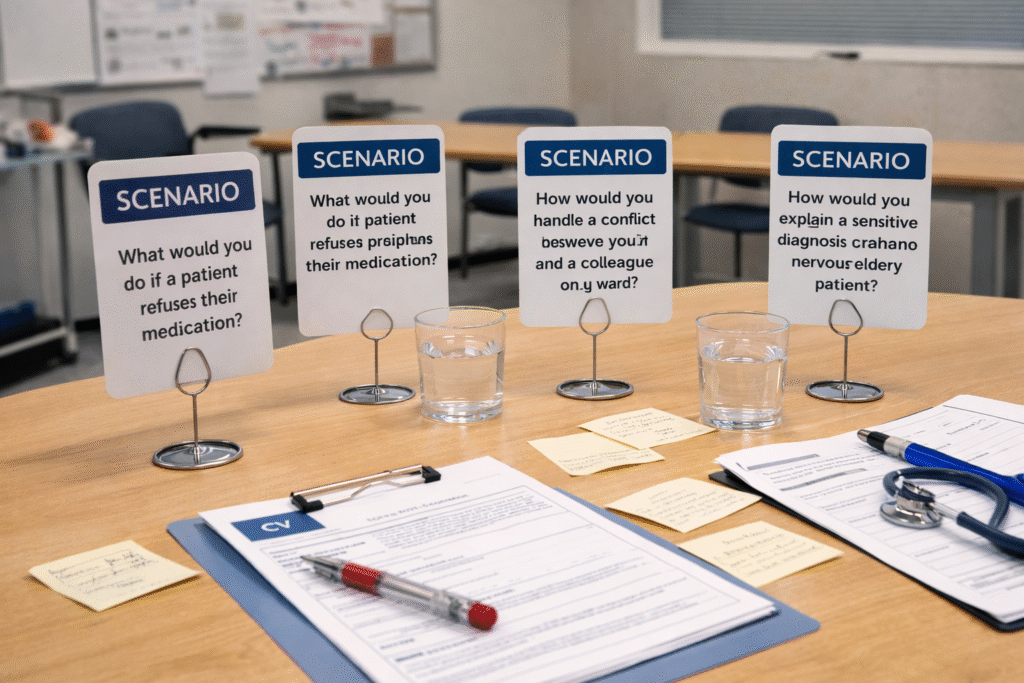
Interview questions can get oddly specific. For example:
“What would you do if a patient refuses medication you believe they need?”
They are testing judgement, not obedience.
Tuition Fees and Funding Routes That Actually Exist
Let’s talk numbers because inspiration does not pay invoices.
International tuition for nursing courses UK degrees often lands between:
- £14,000 and £28,000 per year
Living costs vary wildly by city. London is not shy about being expensive.
Funding routes worth exploring:
- University scholarships
- NHS related bursary schemes in limited cases
- Country specific grants
- Charitable education funds
Useful starting points:
Some students work part time in care roles while studying. It helps financially and builds practical confidence.
How Students Quietly Improve Their Admission Odds
This is the part rarely written in glossy prospectuses.
Applicants who stand out for best nursing courses in the UK for international students often show:
- Real patient exposure, even volunteer work
- Reflection, not just ambition
- Specific stories instead of generic passion claims
- Awareness of NHS values
- Ethical awareness in their personal statement
Tip you won’t hear often: keep a short reflective journal from any healthcare exposure you have. Those notes become gold during interviews.
Where GCRD HUB Fits Into the Journey Without the Sales Pitch
Students applying to nursing courses UK programmes often get stuck between choosing, applying, preparing, and second guessing everything.
That’s where structured guidance helps. Organisations like GCRD HUB, based at 107 Fleet St, London EC4A 2AB, work with international applicants on:
- study in uk pathways
- education guidance
- university admissions support
- interview and admission preparation
- scholarship and financial aid advisory
- pre departure orientation
Not hand holding. More like map reading with someone who knows the terrain.
If you ever feel lost between course selection and offer letters, getting proper advisory support can save a year, sometimes more. You can reach them at +44(0)20 39839001 / 9002 / 9003 and just ask questions first. No pressure, just clarity.
FAQs Students Ask About Nursing Courses UK Options
Do UK nursing degrees lead to registration?
Most accredited programmes align with NMC standards, but registration depends on meeting all regulatory checks and documentation.
Are nursing courses UK difficult academically?
Yes, but not only academically. The emotional and clinical load is real. Time management matters more than raw intelligence.
Can international students work while studying nursing in the UK?
Usually yes, within visa limits. Many take part time care assistant roles.
Is IELTS always required for nursing courses UK admission?
Almost always, unless you qualify for an English language waiver based on prior study.
Which is the best nursing course in the UK for international students?
There is no single winner. The best nursing courses in the UK for international students depend on your specialisation, budget, IELTS score, and preferred city.
Do nursing courses UK include paid placements?
Most placements are not salaried during undergraduate study, though policies shift and some support schemes appear regionally.