
From Calling to Qualification: Your Journey Through a Masters in Social Work UK
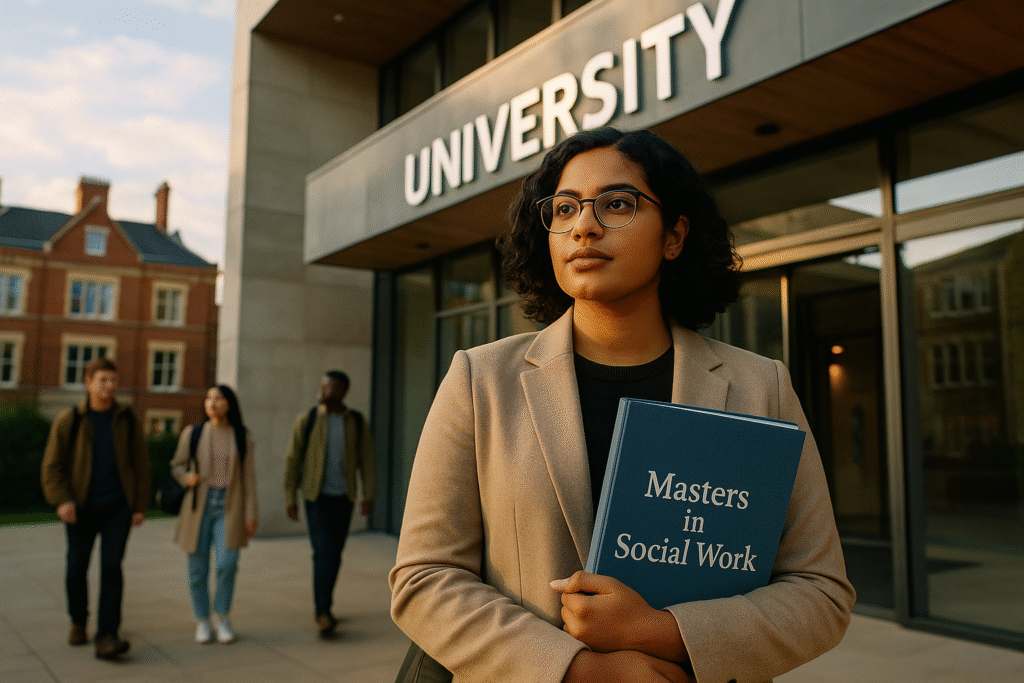
Ever wondered why some people seem naturally drawn to helping others navigate life’s messiest moments? That magnetic pull toward social justice, advocacy, and human connection isn’t just personality—it’s often the first sign you’re meant for social work. And if you’re reading this, chances are you’ve already felt that tug. But here’s the thing nobody tells you upfront: wanting to help isn’t enough anymore. The field has evolved dramatically, and today’s social workers need serious credentials to make a real difference. That’s where a masters in social work UK becomes your gateway—not just to a career, but to actually changing lives (including your own). Why the UK Has Become Social Work’s Hidden Goldmine Let me be blunt: the UK doesn’t just offer social work degrees—it offers a complete reimagining of what social work can be. While other countries treat social work education as an afterthought, British universities have transformed it into something resembling a medical degree in its rigor and respect. UK’s MA Social Work master’s courses enable you to qualify as a social worker and apply to register with Social Work England, but that’s just the beginning. What makes studying here genuinely different is the integration of theory with brutal real-world practice. You’re not just learning about child protection policies—you’re sitting in actual case conferences, making decisions that affect real families. The rankings have been particularly interesting this year, with some universities making significant moves. But rankings only tell part of the story when it comes to finding the right masters in social work UK program for your specific goals. The Landscape Just Shifted (And Nobody Saw It Coming) Something fascinating happened in 2024 that changed everything: Social Work England overhauled their registration requirements. Suddenly, international students found themselves with better pathways to practice than ever before. Universities scrambled to update their programs, creating what I call the “sweet spot moment”—when supply hasn’t quite caught up with demand. This means if you’re applying for masters in social work UK programs right now, you’re hitting a golden window. Universities are investing heavily in their social work departments, placements are more diverse than ever, and employers are actively hunting for international graduates. Here’s what’s particularly clever about UK programs: they’ve figured out how to blend academic rigor with practical application in ways that American MSW programs still haven’t mastered. You’ll spend roughly 50% of your time in placements, but these aren’t the token internships you might expect. These are full-responsibility positions where you’re carrying actual caseloads under supervision. The Universities That Actually Matter (Beyond the Rankings) Let’s talk about where you should actually consider studying. The big names get all the attention, but some of the most innovative masters in social work UK programs are happening in unexpected places. University Unique Strengths International Fees (2025) Something You Won’t Find Elsewhere University of Manchester Research powerhouse with cutting-edge practice labs £26,500 Virtual reality training for high-risk interventions Kingston University Strong industry connections in London £18,500 Guaranteed placement in your area of interest University of Northampton Innovative two-year intensive program £16,200 Embedded entrepreneurship modules for social enterprises Middlesex University Diverse cohorts with global perspectives £17,800 Partnership with Tavistock for psychodynamic approaches University of East London Strong community focus £16,500 Collaboration with NHS Foundation Trust But here’s where it gets interesting: some of the universities doing the most innovative work aren’t the ones dominating headlines. Take Edinburgh Napier, for instance. Their program has quietly become the go-to choice for people wanting to specialize in digital social work—think online therapy, virtual family support, and tech-enabled community building. The Money Question (Because Someone Has to Ask) International tuition for a masters in social work UK typically ranges from £15,000 to £28,000 per year. Yes, that’s significant money. But here’s the calculation most people miss: UK social work programs are typically two years, compared to the variable lengths elsewhere. More importantly, the employment rates are stunning. The MSW programmes offered by these universities in the UK are some of the most sought-after, considering the learning experience they offer and the employability of the graduates upon completion. That “employability” translates to starting salaries that typically range from £28,000 to £40,000, with rapid progression potential. What’s more intriguing is the hidden funding landscape. Beyond the obvious scholarships, there are placement stipends, research assistant positions, and something called “bursary stacking” where you can combine multiple small grants into substantial support. I’ve seen international students graduate with less debt than their UK counterparts through strategic application to these lesser-known funding streams. Check out the student finance options. The Application Maze (And How to Navigate It Without Losing Your Mind) Here’s where most people stumble: UK masters in social work UK applications aren’t just about grades. They’re about demonstrating something called “readiness for practice.” Universities want to see that you understand what you’re getting into—that you’ve thought deeply about the emotional toll, the ethical complexities, and the sheer unpredictability of the work. Applicants must apply through the Universities and Colleges Admissions System (UCAS) and are encouraged to apply early (ie before the 26th January deadline) however we remain open for applications throughout most of the year. This UCAS requirement is crucial—direct applications to universities won’t be considered. An MSW in the UK generally needs you to have a successfully completed undergraduate qualification and work experience in the field of social work. But “work experience” is interpreted more broadly than you might expect. Volunteering counts. Caring for family members counts. Even certain customer service roles can demonstrate the interpersonal skills they’re looking for. The personal statement is where applications live or die. Forget the template approaches—admissions tutors can spot those from miles away. Instead, tell the story of a specific moment when you realized social work was your calling. Make it personal, make it real, and make it impossible to ignore. What Nobody Tells You About Placements Here’s the reality: your placement experience will make or break your entire program. UK universities have partnerships with everything from children’s services to mental health trusts